Yellow Split Pea Dal, by Mollie Katzen

‘Dal’ in Indian cooking refers to porridge-like dishes made from dried legumes – usually split peas or lentils. Dal is often served in a thinned state as a soup, but equally often it will be a thick, hearty side dish. This is a thick dal, comprehensive and highly spiced enough to be the focus of a meal. Leftovers can be thinned with a little water and served as a soup. I serve this as an entrée, over brown rice.

kitchen witch 261
2 cup dried yellow split peas
2 thick slises fresh ginger, each about 2 inches long
4 large garlic cloves cut in half
8-10 cups water (plus more later if needed}
2 tbsp grapeseed oil
2 tbsp cumin seeds
2 tbsp mustard seeds
2 teaspoons turmeric
1/2 tsp each ground coriander and cardamom
2 tsp ground cumin
2 c. minced onion
1 tbsp minced garlic
1 1/2 teaspoons salt (or to taste)
1/4 c. tablespoons fresh lemon juice (or to taste)
Freshly ground black pepper
Cayenne (optional)
peas
cooked potato
red pepper slices
cilantro
kale
cooked carrots

Place split peas, ginger slices, garlic halves and water in a soup pot or Dutch oven Cover and heat to boiling point, then reduce heat and simmer very slowly, partially covered – stirring intermittently- until peas are quite soft for about 60-70 min.  Add more water as necessary.

Meanwhile, place a medium saucepan over med heat for a min, than add oil and swirl to coat pan. Add all of the spices and cook, stirring, for a min or until they become fragrant.  Add the onion, minced garlic, minced ginger and 1 tsp salt.and stir so the onion becomes coated with the spices.  Turn the heat to medium-low and cook, covered until the onion becomes very soft.  Stir in the lemon juice at the end.

Add this mixture to the simmering split peas, stir to combine. add extra veggies and cook until they are done.  fish out the ginger slices and serve with rice.

Serve with rice.
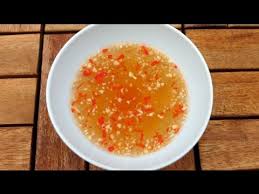
 

Vietnamese Dipping Sauce by Mai Phom

  • download3 Thai bird chilies or 1 serrano chili, or to taste
  • 1 clove garlic, sliced
  • 3 tablespoons sugar
  • 2/3 cup warm water
  • 1 1/2 tablespoons fresh lime juice
  • 5 tablespoons fish sauce
  • 2 tablespoons finely shredded carrots for garnish (optional)

Cut the chilies into thin rings. Remove one-third of the chilies and set aside for garnish. Place the remaining chilies, garlic, and sugar in a mortar and pound into a coarse, wet paste. (If you don’t have a mortar, just chop with a knife.) Transfer to a small bowl and add the water, lime juice and fish sauce. Stir well to dissolve. Add the reserved chilies and carrots. Set aside for 10 minutes before serving.

Note: Nuoc cham is very amenable to variations and adaptations. In Vietnam, cooks like to use various vegetables to flavor the sauce, such as thinly sliced marinated daikon and carrots, ginger, scallion oil or peanuts and even slices of kohlrabi and the core of a white cabbage. Each imparts a distinctive savoriness.

Aloo Gobi from the examiner.com


1caa33c0d9d0fb1e3fa1af274a0fd16e

3 Tbs canola oil
½ tsp black mustard seed
1 tsp whole cumin seed
1 teaspoon ground cumin
1 teaspoon ground coriander
1 pound waxy potatoes
1 head cauliflower, cut into 1 1/2 inch florets
1 tablespoon peeled and grated ginger
1/4 teaspoon turmeric
1 teaspoon salt
1/4 teaspoon cayenne
¼ C water
2 to 3 tablespoons coarsely chopped cilantro leaves

Place cauliflower florets in water to soak for 30 minutes. Drain just before adding to pan.
Boil potatoes in their skins until almost tender. About 15 minutes.
Cool, peel, and cut into 1 ½ inch pieces. Set aside.
In deep, non-stick skillet, heat oil, mustard seed, and cumin seed over medium heat.
When mustard seeds pop, reduce heat to medium low, add ground cumin and coriander, and cook for 1 minute.
Add ginger, return heat to medium, and cook, stirring for 10 seconds.
Add cauliflower and fry for 3 minutes. Add 1 Tbs water, stir well, cover, and cook 4 minutes.
Add potatoes, turmeric, salt, and cayenne. Stir gently to coat the vegetables with spices. Add 3 tablespoons of water. Stir once and cover the pan. Reduce heat to low and cook for 4 minutes, or until potatoes and cauliflower are tender. Add the cilantro and toss gently. Serves 4. Serve with raw vegetables like carrots, cucumber, sprouts, and tomatoes.

Pickled Cranberry Preserves from Canadian living

  • 600x400_pickles-cranberry-preserves14138248711 cup  granulated sugar
  • 1 cup  cider vinegar
  • 1 piece fresh ginger, (1 inch/2.5 cm) thinly sliced
  • 6 whole cloves
  • 2 tsp coarse salt
  • 1 tsp  black peppercorns
  • 3 cups fresh or frozen whole cranberries
  • 4 strips orange zest

In saucepan, bring sugar, vinegar, ginger, cloves, salt and peppercorns to boil; cook, stirring, until sugar is dissolved, about 5 minutes.

Stir in cranberries and orange zest; bring to boil. Reduce heat to medium; cook until cranberries are just beginning to burst, 5 to 7 minutes. Let cool completely, about 2 hours. Strain mixture over bowl, reserving solids and liquid.

Transfer cranberry solids to sterilized 2-cup  jar with tight-fitting lid; top with enough reserved liquid to cover, discarding any excess. Seal tightly. Refrigerate for at least 24 hours. Store in refrigerator for up to 2 months.


Ginger Vegetable Congee

  • congee1 cup raw long-grain white rice, rinsed
  • 7 cups vegetable stock
  • 1/2 teaspoon kosher or sea salt, plus more for seasoning
  • Two-inch knob of ginger, peeled and sliced thin
  • 3 stalks celery, diced
  • 2 cups broccoli florets
  • 1/2 cup diced carrots
  • Sliced green onion, for garnish
  1. In large pot add stock, rice, salt and ginger. Bring the mixture to a boil, then reduce the heat to a low simmer. Stir occasionally so that the rice doesn’t clump or stick at the bottom.
  2. While the congee is simmering prep the celery, broccoli and carrots: peeling, cutting, and dicing, as needed.
  3. Simmer the congee for about 30 minutes then add the celery, broccoli and carrots.
  4. Continue to simmer until the congee is thickened and creamy and the vegetables are tender and soft. Add salt to taste. Garnish with the sliced green onion and serve hot.

NOTES

As the congee cools, it will become thicker. Add additional stock or water if necessary to make the congee to your desired thickness.


Lucky Peach’s Odd Flavor Sauce

eb57a190-112f-452b-af95-f116ca56edf3--2015-0929_odd-flavor-sauce_james-ransom-015

  • tablespoons soy sauce
  • tablespoons tahini, almond butter, or peanut butter
  • tablespoon Chinkiang vinegar (Chinese black rice vinegar) or red wine vinegar
  • tablespoon sesame oil
  • teaspoons sugar
  • teaspoons kosher salt
  • tablespoons neutral oil (like canola, vegetable, or grapeseed)
  • small scallion, finely chopped (about 1 tablespoon)
  • tablespoon minced fresh ginger
  • large garlic clove, finely chopped (about 1 tablespoon)
  • 1/2 teaspoon chili flakes (or more to taste)
  • 1/2 teaspoon crushed Sichuan peppercorns
  1. Combine the soy sauce, tahini (or nut butter), vinegar, sesame oil, sugar, and salt in a small heatproof bowl and mix until the sugar is dissolved and tahini is well incorporated. It’s okay if it’s not completely dissolved, though.
  2. Heat a small skillet over medium heat, add the oil, and heat until shimmering. Add the scallions, ginger, garlic, chili flakes, and crushed peppercorns. Remove from the heat and stir for 10 seconds, until the scallion is bright green and everything’s aromatic. Pour all this into the liquid seasonings and whisk until well blended. Once cool, the sauce will keep in the fridge for one or two days.  Makes about 1/2 cup

Author Notes: Serve the sauce with chicken, fish, pork, or tofu—and always some rice. Really, just put it on whatever needs a little extra “oomph,” like soba noodles or roasted or steamed vegetables. It would also work as a stellar sauce for okonomiyaki

Dal Tadka from fatfreevegan.com

  • easy-dal-tadka11/2 cup yellow moong dal (split mung beans) OR yellow split peas OR additional red lentils
  • 1/2 cup split red lentils (masoor dal)
  • 3 cups water
  • 1 large tomato, chopped
  • 1/2 large onion, chopped (set aside other half)
  • 3 cloves garlic, minced
  • 1 teaspoon ginger root, minced
  • 1 teaspoon cumin seeds
  • 1/2 teaspoon turmeric
  • 1/2 teaspoon salt (if desired)
  • 1/2 teaspoon garam masala plus more to taste (see my recipe)
  • 1/2 large onion, sliced
  • 1/2 teaspoon red pepper flakes (or to taste)

Instructions

  1. Put the lentils, water, and next 7 ingredients (through salt) into a pressure cooker(see Notes below for regular stovetop cooking). Cook at high pressure for 10 minutes and allow pressure to drop naturally for 10 minutes. Open lid carefully and check to make sure lentils are tender. If not, continue to cook without pressure until lentils are fully cooked. Add garam masala and stir vigorously to make the lentils creamy. It should be a medium consistency, so add a little water if it’s too thick. Keep warm.
  2. While the lentils are cooking, heat a small non-stick skillet. Add the onions and cook, stirring often, until they begin to brown. Add the red pepper flakes and cook until onions are softened and touched with brown.
  3. Check the seasoning of the lentils and add additional salt and garam masala to taste. Serve over rice and top each serving with the browned onions.

Notes

If cooking without a pressure cooker, bring ingredients to a boil in a large, heavy saucepan, reduce heat to low, and cover. Cook until lentils are soft, stirring often and adding water if they start to get too dry. Different types of dal take different amounts of time, so allow at least 30 minutes.

Preparation time: 10 minute(s) | Cooking time: 25 minute(s)


pumpkin spice latte from Sarah Carey

  • download1 cup milk
  • 1 cinnamon stick
  • 1 whole nutmeg
  • 1/2-inch piece ginger, peeled and sliced
  • 1 cup espresso or very strong coffee
  • Whipped cream for serving
  • Cinnamon for garnish
  • 1/4 cup granulated sugar
  1. In a small saucepan, bring the milk, cinnamon, nutmeg, and ginger to a boil. Turn off heat and cover. Let mixture steep for 30 minutes.

  2. Divide espresso between 4 cups. Strain milk and divide between the 4 cups. Top each with dollop of whipped cream and dusting of cinnamon.

Soba Salad With Seaweed, Cucumbers, and Asparagus from serious eats

  • 1 pound asparagus, 20150605-seaweed-pasta-salad-daniel-gritzer-13-thumb-625xauto-423921woody ends trimmed
  • 1/2 ounce dried wakame seaweed (see note above)
  • 300 grams (about 10 1/2 ounces) dried soba noodles
  • 2 tablespoons soy sauce
  • 1 tablespoon toasted sesame oil
  • 1/4 cup fresh juice from 2 lemons
  • 2 tablespoons canola, vegetable, or grapeseed oil
  • 1 (1 1/2-inch) knob fresh peeled ginger, grated
  • 1 large English cucumber, ends trimmed, quartered lengthwise, and thinly sliced into quarter-moons
  • 2 tablespoons toasted sesame seeds, plus more for garnish
  • 2 scallions, white and light green parts thinly sliced on the bias
  • Kosher salt

  1. Place wakame in a medium bowl and cover with plenty of warm water. Let stand until softened and rehydrated (about 10 minutes), then transfer to a fine mesh strainer to drain. In a large pot of salted boiling water, blanch asparagus until crisp-tender, about 2 minutes. Using tongs, transfer to an ice-water bath to chill. Slice chilled asparagus into 1 1/2-inch lengths on a slight bias.

  2. In a new pot of salted boiling water, cook soba noodles until tender, according to package instructions. Drain in a colander and rinse with cold running water until chilled.

  3. In a small mixing bowl, stir together soy sauce, sesame oil, lemon juice, canola oil, and ginger. Drain wakame and squeeze out excess water with your hands.

  4. In a large bowl, combine soba noodles, asparagus, wakame, cucumber, sesame seeds, and scallions and toss well. Season with salt and serve, sprinkling more sesame seeds on individual plates, if desired.

Creamy Curried Kale and Chickpeas from fatfreevegan.com

Feel free to use othecreamed-kale-chickpeas-curry2r greens besides kale, whatever you have on-hand.

  • 1 large onion, chopped
  • 4 cloves garlic, chopped
  • 1 tablespoon ginger root, minced, or 1 tsp. powdered ginger
  • 1 teaspoon cumin seeds
  • 2 teaspoons garam masala (see below)
  • 1 teaspoon coriander
  • 1 teaspoon turmeric
  • 1/4 teaspoon red pepper flakes
  • 8 cups chopped kale, packed (1 10-ounce bunch, about 6 ounces after stems removed)
  • 1/2 cup low-sodium vegetable broth
  • 1 cup unsweetened soymilk or other non-dairy milk
  • 1/4 cup raw cashews
  • 2 tablespoons nutritional yeast, optional
  • 2 tablespoons tomato paste
  • 2 15-ounce cans chickpeas, drained and rinsed well
  • salt to taste
  1. Heat a large, non-stick skillet over medium-high heat. Add onion and cook until softened and beginning to brown, 4-5 minutes, adding water by the tablespoon if needed to prevent sticking. Add the garlic, ginger, and cumin seeds and cook for 1 minute. Add the remaining spices and cook for another minute, stirring constantly to prevent burning.
  2. Reduce heat to medium. Stir in the kale and vegetable broth. Cover and cook until the kale is bright green and tender, about 5 minutes, stirring occasionally.
  3. While the kale is cooking, put the milk, cashews, nutritional yeast, and tomato paste in the blender and puree until smooth. When the kale is done, add it to the blender and blend until smooth.
  4. Transfer blended mixture back to the skillet and bring to a simmer. Check seasonings and add more to taste. Stir in chickpeas and continue simmering about 10 minutes. Add salt to taste and serve over basmati rice.  Number of servings 6